
Lead Flashing
Get in TouchAt EH Roofing Services, we specialise in lead flashing services for residential and commercial properties. Lead flashing is a critical component in roofing, providing a watertight barrier where the roof meets vertical surfaces.
Our expert team uses durable lead materials to protect against water ingress, ensuring long-lasting results. From weatherproofing chimneys to sealing roof valleys, we have the expertise needed.
Contact us today to arrange lead flashing services in the area.
What Is Lead Flashing?
Lead flashing is a method used to seal the intersections and joints in roofing to prevent water intrusion. At EH Roofing Services, we install lead flashing to protect critical areas such as chimneys, walls, and roof junctions from moisture penetration.
Lead is a preferred material due to its malleability, resistance to corrosion, and its ability to withstand extreme weather conditions. We typically use rolled lead sheet conforming to BS EN 12588 standard, guaranteeing uniform thickness and durability.
Our experienced team uses techniques like step flashing and apron flashing to secure the roof structure effectively. We employ specialised tools such as lead dressers and bossing sticks to mould and shape the lead, ensuring a precise fit.
This not only enhances the roof’s functionality but also maintains its aesthetic appeal by blending seamlessly with tiles, slates, or other roofing materials. For homeowners looking for long-lasting solutions, our lead flashing is the ideal choice to safeguard your property against water damage.
Contact us today to learn more about how our lead flashing services can benefit your roof.
What Types of Lead Flashing Are Available?
We offer a selection of lead flashing options to meet your roofing needs. Our lead flashing is available in various thicknesses, typically ranging from code 3 to code 8, ensuring durability and compliance with British Standard 12588.
We also use specialised tools for precision cutting and fitting to maintain the integrity of the installation.
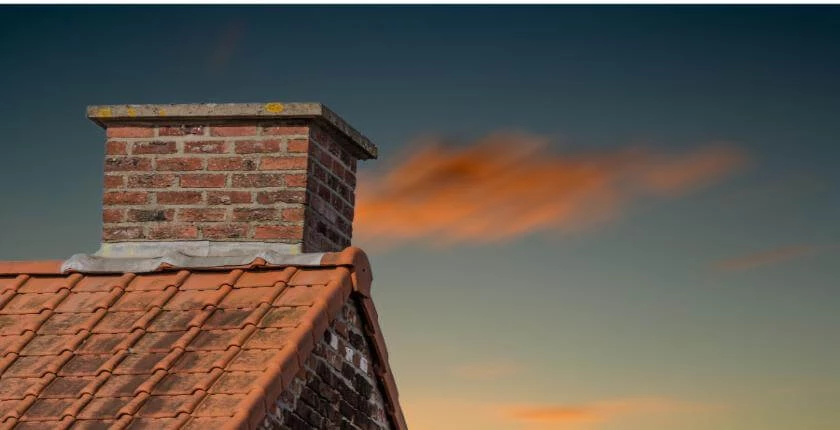
Chimney Flashing: Protects the area where the chimney meets the roof, preventing water ingress that can lead to structural issues over time.
Step Flashing: Installed in steps where the roof joins a wall, offering effective water diversion.
Apron Flashing: Used at the junction between a roof slope and a vertical wall, commonly seen around dormers.
Valley Flashing: Positioned in roof valleys to channel water off, crucial in areas with high rainfall.
Each type is designed to address specific roof intersections, ensuring comprehensive protection. Contact us today to discuss the best option for your property.
What Surfaces Does Lead Flashing Work On?
Lead flashing is suitable for various surfaces where roofs intersect vertical structures. At EH Roofing Services, we install flashing on surfaces such as chimneys, roof valleys, and adjoining walls.
Our lead flashing is compatible with materials including tiles, slates, and asphalt. Additionally, lead flashing can be used in areas where roofs meet dormer windows, creating a watertight seal.
We also recommend its use on flat roofs with parapet walls to prevent moisture ingress.
With its malleability, lead adapts to different contours and shapes without cracking, providing an efficient barrier to water. The durability of lead means it can withstand a range of weather conditions, from heavy rain to strong winds, contributing to a longer lifespan for the roofing structure.
Our expertise ensures precise installation following industry best practices, safeguarding your property from leaks and water damage. Consider contacting us to ensure your roofing needs are effectively met.
When Is Lead Flashing Needed?
Lead flashing is essential when you notice roof leaks or dampness in your walls, as it effectively seals joints to prevent water ingress. In , variable weather conditions, including frequent rainfall and temperature fluctuations, can cause expansion and contraction in roofing materials, leading to potential gaps.
Our lead flashing services are critical during roof repairs, replacements, or when introducing new structures such as skylights, chimneys, or dormer windows, where joints are particularly vulnerable. We use durable materials like lead sheet conforming to BS EN 12588 standards to ensure long-lasting protection.
Proper installation involves techniques such as step flashing for chimneys and abutments, and apron flashing for the base of walls. We also recommend regular inspections every year to detect early signs of deterioration due to oxidation or physical damage.
Get in touch if you suspect your flashing needs updating.
How Does Lead Flashing Work?
The lead flashing process involves several key steps:
Assessment: We evaluate your roof to identify areas needing flashing, focusing on vulnerable intersections such as valleys, chimneys, and skylights.
Preparation: Cutting and shaping lead sheets to fit intersections precisely. We use lead of code 4 or code 5 status depending on the roof's requirements, aligning with BS EN 12588 standards for thickness and quality.
Installation: Securing lead flashing with appropriate fixings, like copper or stainless-steel nails, to ensure a watertight seal. Our installation adheres to the Lead Sheet Association guidelines to prevent water ingress and damage.
Sealing: Applying sealant, such as patination oil, to reinforce the protection and minimise staining. This step helps to extend the lifespan of the lead flashing and enhances its resistance to the elements.
Our experienced team ensures that each stage of the lead flashing process is expertly handled. Contact EH Roofing Services for robust and reliable solutions.
How Long Does Lead Flashing Take?
Most lead flashing jobs are completed in one to two days. At EH Roofing Services, we ensure efficient installation to minimise disruption.
The time frame can vary depending on the roof's complexity and the extent of existing damage. For instance, intricate roof designs or multiple roof valleys may require additional time and specialised equipment.
We use roofing ladders, safety harnesses, and lead welding tools to complete the job effectively and safely. Our expert team follows the appropriate standards for leadwork, such as the Lead Sheet Association's guidelines, ensuring durability and resilience against harsh weather conditions.
We provide an accurate estimate during the initial survey, which also includes an assessment of any necessary repairs to rafters or joists beneath the flashing. Whether you're a homeowner, a property manager, or a contractor, our our service aims to deliver a reliable solution.
Who Needs Lead Flashing?
Lead flashing is essential for homeowners and businesses seeking reliable roof protection. It suits properties with chimneys, adjoining walls, skylights, or dormer windows.
Lead acts as an effective barrier against water ingress due to its durability and malleability. We commonly use Code 4 and Code 5 lead, which are specified according to the Lead Sheet Association's guidelines for optimal flexibility and strength.
Our services extend to both residential and commercial clients who require installations on flat or pitched roofs. Additionally, lead flashing is ideal for heritage buildings, where maintaining the integrity and appearance of the structure is key.
For new constructions, we coordinate with builders to integrate flashing into the project timeline, ensuring a watertight finish. We also service refurbishments of older buildings requiring upgraded flashing systems.
Contact us to discuss your specific needs.
How Much Does Lead Flashing Cost?
Lead flashing typically costs between £40 and £60 per metre. At EH Roofing Services, the precise cost depends on factors such as roof complexity and accessibility.
The type of lead used, such as code 3 or code 4 lead sheets, can also affect pricing due to differences in thickness and durability. Thicker lead sheets, often used for more vulnerable roof areas, tend to be more expensive as they provide improved protection against the elements.
Labour costs can vary based on the time required for installation, which is influenced by the roof's pitch and the need for scaffolding or specialised equipment. Larger projects or repairs to extensive damage may increase the price.
We adhere to all relevant Building Regulations and ensure that our lead flashing meets industry standards for weatherproofing and fire safety.
We provide detailed quotes and ensure transparency in our pricing, helping you make informed decisions for your roofing needs.
What Are the Benefits of Lead Flashing?
Lead flashing offers numerous advantages for properties:
Durability: Lead flashing is highly resistant to weathering and corrosion, which makes it ideal for resisting the diverse climate conditions experienced. This results in fewer repairs and replacements over time.
Malleability: Lead's malleable nature allows it to be easily shaped and installed around roof penetrations and complex roofline designs. This adaptability is perfect for unique architectural features or non-standard roofing angles.
Aesthetic Appeal: It blends seamlessly with both traditional and modern roofing styles. Lead flashing is especially favoured in heritage buildings or homes where maintaining historical appearance is crucial, providing functional benefits without sacrificing visual appeal.
Long-Term Protection: By providing a reliable seal against water ingress, lead flashing protects against leaks, which can lead to structural damage, mould growth, and interior water damage.
Additionally, lead flashing conforms to British Standards, ensuring compliance with building regulations and providing reassurance of durable performance. Call us for more details on how lead flashing can benefit your property.
Why Choose EH Roofing Services for Lead Flashing?
EH Roofing Services brings professionalism and expertise to lead flashing projects. Our team is skilled in delivering precise installations using lead sheeting that complies with BS EN 12588 standards, ensuring both durability and weather-resistance.
We make use of Code 4 and Code 5 lead for different flashing requirements, such as chimney flashing and valley gutters, to meet specific project needs. Additionally, our specialised tools include lead dressers and bossing sticks, which aid in moulding the lead with precision.
We cater to a variety of property types, including residential homes and commercial buildings, addressing potential issues like water infiltration and roof joint failures. Our installation process typically takes one to two days, depending on the scope of the project.
We are committed to excellent customer service and provide free consultations and quotes.
Contact us today to learn more about how we can protect your roof in the area.
Lead Flashing: Frequently Asked Questions
How often should lead flashing be inspected?
Lead flashing should be inspected every two years to ensure it remains in good condition and protects against leaks.
Can lead flashing be repaired, or does it need replacement?
In , minor damage to lead flashing can often be repaired. However, extensive damage may require replacement.
Is lead flashing eco-friendly?
Yes, lead flashing is eco-friendly as it is recyclable and has a long lifespan, reducing material waste.
Does lead flashing require maintenance?
Regular inspections help maintain lead flashing, but it requires minimal maintenance due to its durability.
How long does lead flashing last?
Lead flashing can last over 50 years when properly installed and maintained, providing lasting protection for your roof.
Get a Free Quote for Lead Flashing
Ensure your property is protected with professional lead flashing from EH Roofing Services.
Related Lead Flashing Services
Lead flashing protects vulnerable roof junctions from water penetration, with related roof repair services available.
Flashing defects around chimneys can be addressed alongside our chimney repairs and repointing service.
Water ingress caused by failed flashing may require roof leak repairs.
For wider roofing defects, our roof repair specialists can assess the surrounding areas and identify related problems.